In today’s fast-paced world, maintaining good health can sometimes feel like an uphill battle. Between busy work schedules, social commitments, and endless to-do lists, it’s easy to let your wellness routines slide. But what if the secret to staying healthy isn’t just about motivation or discipline, but also about intentional planning? When you take the time to outline your weeks and days – especially regarding habits, workouts, nutrition, and self-care – you set yourself up for success, consistency, and long-term well-being.
One of the biggest challenges in sticking to a health routine is inconsistency. This is where I believe the quote “if you fail to plan you are planning to fail” fits perfectly. Without a plan, it’s easy to skip workouts, grab unhealthy snacks impulsively, or neglect sleep and hydration. Planning your weeks and days in advance helps establish a predictable structure, making healthy choices habitual rather than accidental. When your schedule includes designated workout times, meal prep sessions, or rest periods, it becomes a part of your routine rather than a last-minute thought.
In this blog I’ll give you some thinking points and tips for ways to look ahead at your days and weeks, as well as your nutrition and workouts, in order to help you plan efficiently to reach your goals and avoid pitfalls along the way.
Looking At Your Weeks
When looking at your week ahead you should look at what days you plan to get your workouts in and block those times off. Are you someone with an unpredictable schedule? Perhaps you could do your workout in the early morning before your schedule can get crazy, or you may need to book a class, appointment, or plan to meet a friend in order to help you stay accountable.
What do your weeks look like in terms of nutrition? If you know you are someone who is often on the run, with little time to make meals during the week, can you look ahead and meal prep (make a few healthy meals with lots of leftovers)? If you know you will be in a situation where you will need to eat out, rather than grabbing the quickest or most convenient thing, look ahead and predetermine what the healthiest option could be.
Looking At Your Days
When you break down each day, what does it look like? When do you plan to wake up and go to sleep? Will that result in the proper amount of sleep required to help you feel energized and recovered? We all have a morning routine, but what about a nighttime routine that helps you wind down and get you to bed at the appropriate time?
When it comes to nutrition, what will you be eating that day and when? This often goes back to looking at your week, but can you meal prep the day(s) before or find a healthy take out option? Do you have a sedentary job? Are there ways you could find to get up and get steps/ small exercises in to break up your day?
What do your commutes in your car look like? Do you often pass fast food or gas stations where you find yourself stopping and making unhealthy choices? Is there a way to find a different route to avoid those places? If you find yourself skipping the gym, can you take a route that takes you past the gym, or even just closer to it?
I also find that pre-packing your workout clothes the night before and leaving them in your car (or having a permanent locker) can be another way to squash excuses. It can help you avoid going home to get them and then getting too busy there and skipping the workout.
Look At Your Workouts
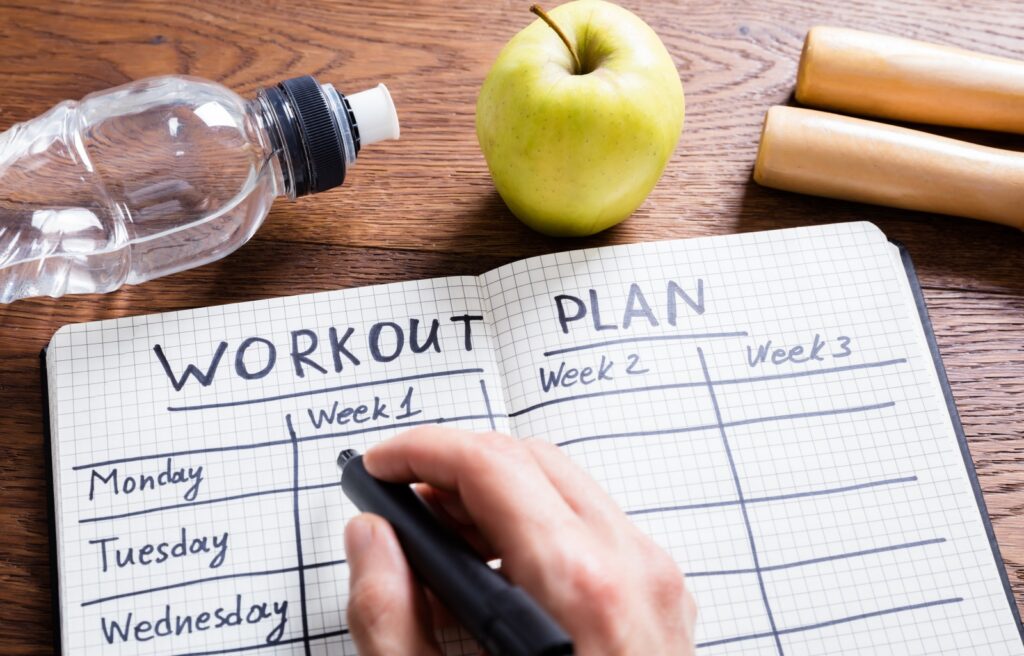
Do you show up to the gym with good intentions and enthusiasm but then just find yourself wandering, not sure what to do, or just hopping on the treadmill for a random amount of time and then going home? You should have each of your workouts pre-planned, so when you show up you know exactly what you’re doing and how you’re going to execute. Keep track of your workouts in a notebook or an app so you can see your progress.
With your strength training track every exercise, set, rep and weight. Each week you should be trying to add one or two more reps or 5 more pounds to the exercise (while always making sure your form is correct). This won’t be possible every week, but it will help you to have a goal to focus on and over time you can look back to see the progress you’ve made. With your cardio track your distance or duration. Over time can you go further, or make it that same distance in a shorter amount of time? By having your workouts written down this will help give you a clear plan to follow and prevent you from feeling lost or even skipping the exercises you may not like.
Review and Adjust
When you get to the end of your week evaluate what worked and what didn’t. Adjust your plan to better suit your goals and needs. Then start planning for the next week.
Healthy living isn’t just about fleeting motivation. By planning your days and weeks it will help you to create sustainable habits in your daily life. Planning will help to build consistency, accountability, and resilience—key ingredients for long-term health and happiness.
So, take a moment this week to map out your upcoming days. Your future self will thank you for the clarity, purpose, and care you invest today. Remember – small consistent steps, thoughtfully planned, lead to lasting health and success!