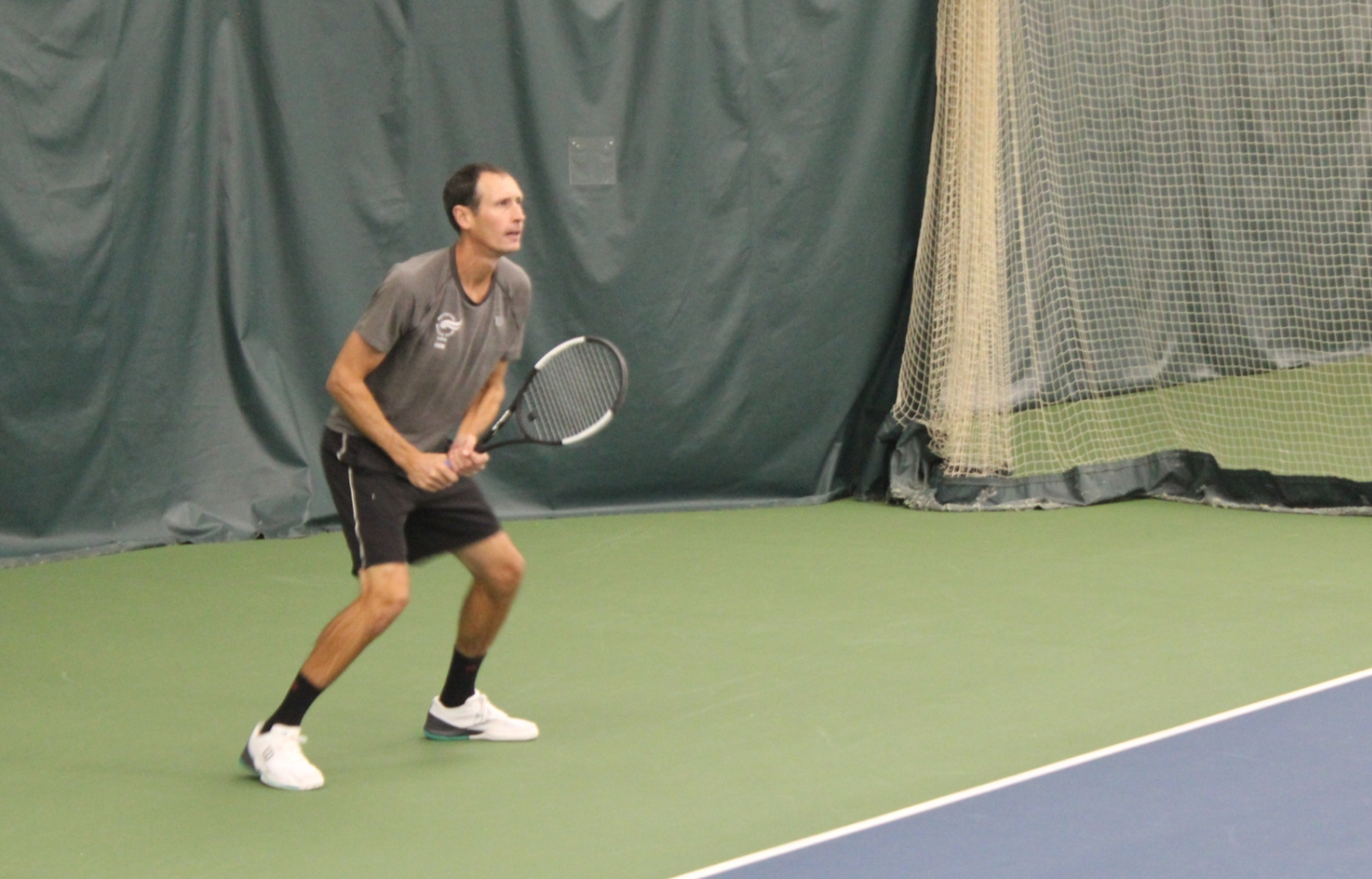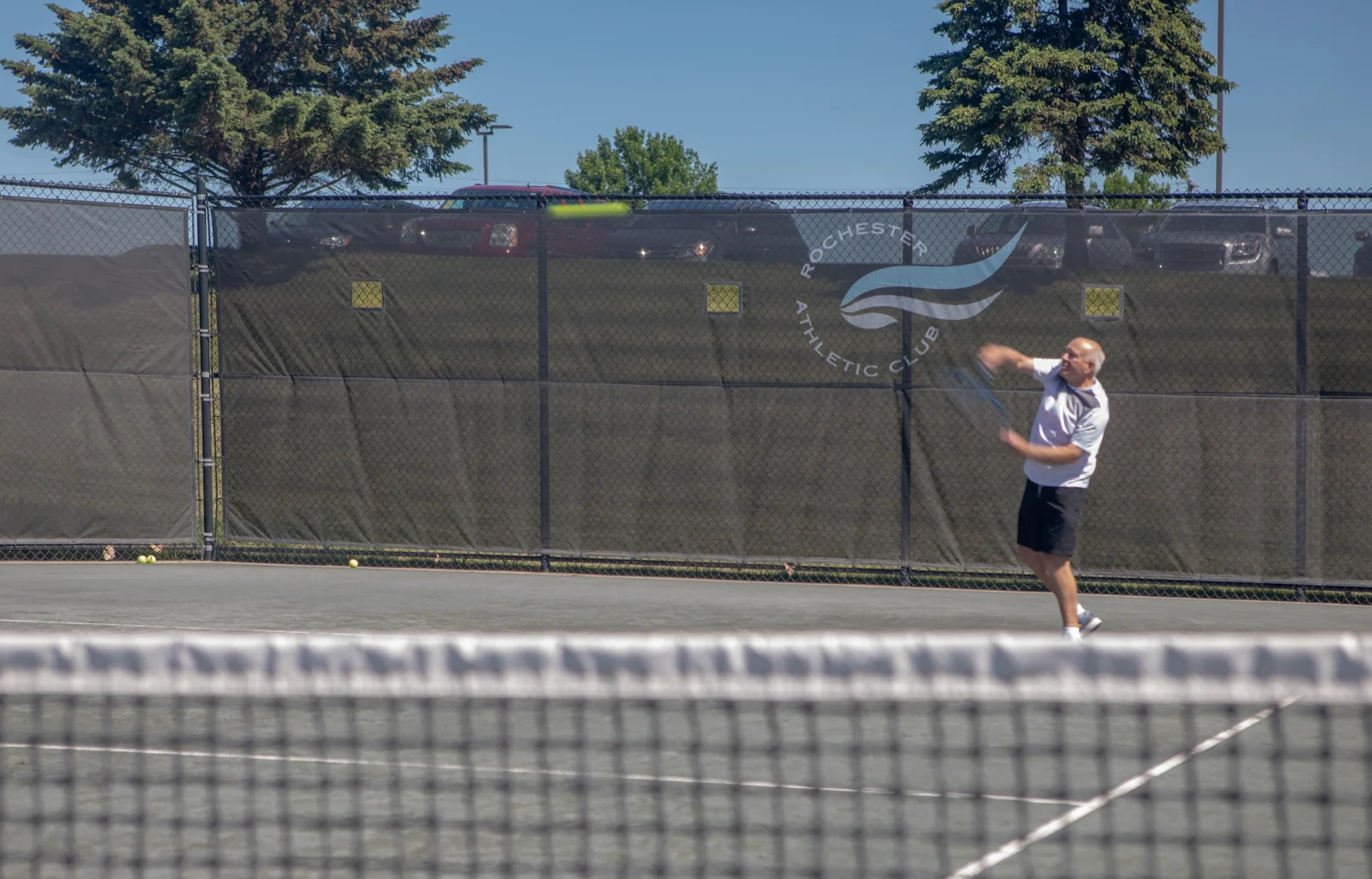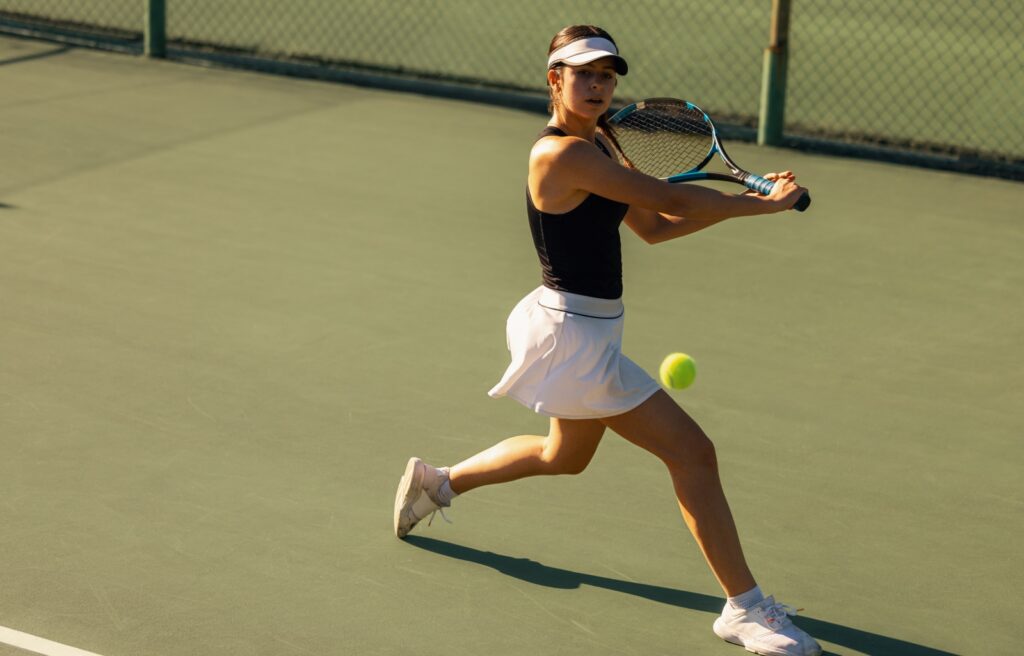
Every developing tennis player, junior or adult, understands that you need to build a good foundation of technique, tactics, and physical/emotional stamina to be successful. We also must develop an identity on the court. Your tennis identity shapes how you construct points, how you train, and even how you respond under pressure.
While every player is unique, most playing identities fall into three broad categories: the counter-puncher, the aggressive baseliner, and the all-court player. Understanding these styles can help you begin forming a vision for the type of player you want to become.
Why Identity Matters
Early in a player’s development, it’s easy to focus purely on technique – improving your forehand, backhand, serve, and movement. Don’t get me wrong, these are essential and proven to be the most important to define and sharpen at an early age. If you don’t have certain technical competencies, you obviously can’t deploy certain tactics or strategies you’d use, some more important than others based on your style.
The older you are the harder it is to learn new physical movements, but they don’t fully encompass how you compete. A player’s identity determines how those skills are used strategically. When you begin to think about your tennis identity, you can:
- Train with greater purpose
- Build strengths that align with your style
- Understand what type of points you want to play
- Develop the mindset needed for your role on the court
Let’s look at the three main styles and what defines them.
- The Counter-Puncher
The counter-puncher thrives on patience, consistency, and intelligent defense. Rather than overwhelming opponents with power, this player wins by absorbing pace and forcing mistakes.
Key characteristics include:
Patience and discipline
Counter-punchers are comfortable playing long rallies. They resist the urge to go for low-percentage shots and instead wait for the right opportunity.
Because they retrieve so many balls, counter-punchers rely on excellent court coverage and balance. They often turn defense into offense simply by getting one more ball back.
Consistency from both wings
Both the forehand and backhand must be reliable. The goal is to keep rallies neutral and avoid giving away free points.
Spin variety
A strong counter-puncher uses topspin and slice effectively. Topspin helps maintain rally control, while slice can slow down the point or disrupt rhythm.
Changing speeds and direction
These players excel at redirecting the ball and mixing pace. Subtle changes – crosscourt to down-the-line, faster to slower – gradually create openings.
Counter-punchers often frustrate opponents because they make the court feel smaller and force players to hit extra shots under pressure and finish at the net.
2. The Aggressive Baseliner
The aggressive baseliner is built around weapons. This player looks to control the point from the baseline and dictate play whenever possible.
Important traits include:
A dominant forehand
Many aggressive baseliners build points around a heavy or explosive forehand that can finish rallies or open the court.
A big serve
A strong serve sets up short balls and allows the player to start points on offense.
Taking control of rallies
Rather than reacting, aggressive baseliners look to step inside the court and apply pressure. They try to move opponents side-to-side and create opportunities to attack.
Finishing points
While they begin many points from the baseline, aggressive baseliners come to the net with more frequency than counter-punchers when they have created an advantage.
This style can be extremely effective because it puts opponents under constant pressure. However, it requires confidence, timing, and the ability to handle risk.
3. The All-Court Player
The all-court player is the most versatile style in tennis. Instead of relying on one dominant approach, these players blend different tactics depending on the situation.
Key qualities include:
Versatility across the court
All-court players are comfortable rallying from the baseline, attacking short balls, volleying at the net, and using a variety of spins.
Adaptability
They can morph their game depending on the surface, environment, or opponent. For example:
- Playing more aggressively on fast courts
- Extending rallies on slower surfaces
- Using environment to their advantage (wind, etc…)
- Attacking weaker opponents’ shots
Balanced skill set
Rather than relying on a single weapon, they develop strong all-around fundamentals – solid groundstrokes, reliable volleys, good movement, and tactical awareness.
Strategic awareness
Because they shift styles frequently, all-court players must read matches well and recognize when to defend, attack, or change pace.
This style often takes the longest to develop. It requires mastering multiple parts of the game and building a great technical and tactical base.
Creating Your Vision Early
While your style will evolve over time, it is helpful to have a vision early in your development. Ask yourself questions such as:
- Do I enjoy long rallies and wearing opponents down?
- Do I like controlling points with power and aggression?
- Do I want the versatility to adjust my strategy in any situation?
Your answers can guide how you train. For example:
- A future counter-puncher may focus more heavily on movement and consistency.
- An aggressive baseliner may develop a powerful forehand and serve.
- An aspiring all-court player may spend extra time on volleys, transition shots, and tactical awareness.
Importantly, having a vision does not lock you into one style forever. Instead, it provides direction while you build your skills.
Your Identity Will Evolve
It’s important to note that your strategic preference isn’t written in stone. As players mature physically and mentally, their identity often evolves. Strength increases, tactics improve, and experience changes how points are constructed.
However, the foundation established early – your instincts, strengths, and certainly your technical foundation – often remains. The tactics and bullet points listed above are some, not all, of the ideas you can deploy while developing your preferred style.
Developing your tennis identity is ultimately about understanding how you want to win points. Whether you frustrate opponents with relentless defense, dictate play with aggressive power, or adapt to every situation with versatility, the goal is the same: build a style that reflects your strengths and gives you confidence every time you step on the court!