You Don’t Have to Feel Confident to Get Strong
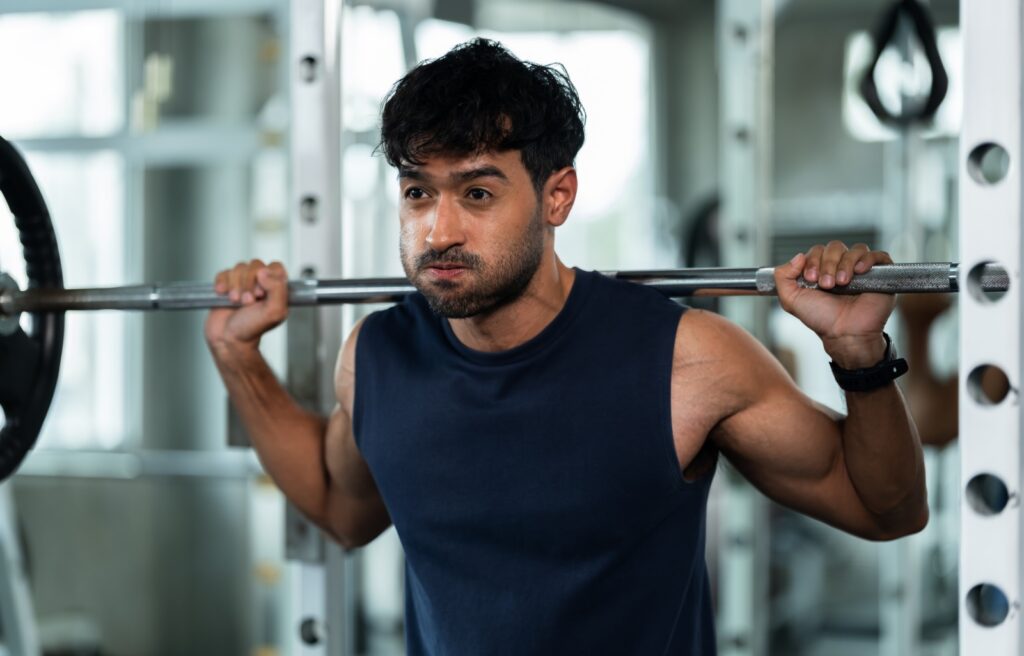
I still remember standing in front of a squat rack with my phone in my hand. I had watched video after video on how to barbell squat, but no matter how much information I gathered, I still felt nervous when it was finally time to actually try it. I remember looking at the barbell, looking back at my phone, and thinking:
What if everyone is watching?
What if I look dumb?
What if I mess this up?
Eventually, I realized another video was not going to make me feel ready. I had to take the first step, so I put my phone away, walked over to the rack, and did my first squat. You know what happened?
Nothing.
Nobody laughed. Nobody stopped what they were doing. I didn’t fall over or embarrass myself. The squat went fine. The fear I had built up in my head was much bigger than the challenge in front of me. Years later, as a personal trainer at the Rochester Athletic Club, I see that same feeling in many people who are new to strength training. For someone starting strength training later in life, the questions might sound different:
Will I know how to use the equipment?
Will I fit in at the gym?
Am I strong enough to get started?
What if I do something wrong?
Those questions are normal. Starting something new requires stepping into uncertainty, and the gym can feel intimidating when it seems like everyone else already knows what they are doing, but every person you see who feels comfortable in the gym today had a first workout.
You just need a first step.
Research shows resistance training can help older adults maintain muscle, improve strength, support bone health, and make everyday activities easier. But knowing something is beneficial and feeling comfortable enough to begin are two different things. One of the biggest misconceptions about strength training is that confidence comes first. It doesn’t.
Confidence comes after starting.
Your First Few Workouts Do Not Need to Be Complicated
Many beginners assume they need a complicated program, dozens of exercises, or years of experience before they can feel comfortable in the gym. A great starting point for many people is just two to three full-body strength workouts per week focused on practicing basic movements. A simple beginner workout could look something like:
● Leg press or sit-to-stand for the squat movement
● Chest press or shoulder press for pushing
● Cable row or lat pulldown for pulling
● Glute bridge or leg curl for the hip-hinge movement
● Farmer carry or suitcase carry for carrying strength and core stability
These movements help build strength for everyday activities like standing from a chair, carrying groceries, opening doors, and safely picking objects up. A good starting goal is two to three sets of each exercise, performing around 8–15 repetitions per set. A repetition, often called a “rep,” is one complete performance of an exercise. A set is a group of repetitions performed together. For example, if you did 10 squats in a row, you did 1 set of 10 squat reps or repetitions.
When choosing a weight, the goal is not to make the exercise as difficult as possible. Choose a weight that feels challenging while still allowing you to stay in control. A helpful guideline is to finish each set feeling like you could have performed two or three more repetitions. The last few repetitions should feel harder, and it is normal for them to slow down as your muscles fatigue.
What you want to avoid is changing your technique just to complete another repetition. Good technique means performing an exercise in a way that is controlled, relatively pain-free, and repeatable. The goal is not perfection—it is using a weight you can control and progress with over time. The best starting point is the version of a movement that allows you to learn, progress, and feel successful.
Remember:
The goal is not to make today’s workout as difficult as possible. The goal is to make sure you are ready for the next one.
Finding the Right Starting Point
For many people, the hardest part of strength training is simply knowing where to begin. That is why getting guidance early can be so valuable. RAC members receive two complimentary one-on-one personal training sessions. These sessions are an opportunity to learn what a beginner workout can look like, become familiar with equipment, practice exercises, and ask questions in a supportive environment. You do not need to already know what you are doing before asking for help. That is exactly what trainers are here for.
Starting strength training also means finding exercises that fit your current abilities. Strength training should challenge you, but it should not cause sharp or concerning pain. If an exercise does not feel right, it may simply need an adjustment to the movement, range of motion, or amount of weight. Modifying an exercise is not failure. It is part of finding the right starting point.
Machines can be an excellent option for people who are new to strength training. They allow you to focus on learning the movement and challenging your muscles without having to worry as much about balance and coordination. For members who feel overwhelmed by learning the equipment, the EGYM can be another great option. After an initial onboarding, members can scan their band at each machine, and the equipment automatically adjusts settings to them. This allows beginners to spend less time worrying about setup and more time focusing on building the habit of exercising.
If you prefer the support and accountability of a group setting, the class “Strong Bones” is a great option for members who want to improve strength in a welcoming environment.
Confidence Comes After You Start
One thing I have learned as a coach is that many people are more capable than they realize. Some of my favorite moments as a trainer are watching someone who was unsure of themselves walk into the gym, learn something new, and realize they are more capable than they thought.
Looking back, I cannot tell you the exact day I stopped feeling nervous in the gym. It happened gradually. One day, I wasn’t watching squat videos before every workout anymore. Eventually, people started asking me for advice on their squat and deadlift technique. The person who was once nervous standing in front of a squat rack became someone others trusted for guidance.
That transformation did not happen because I waited until I felt confident. It happened because I started before I felt confident. If you have been waiting until you feel ready to begin strength training, remember this:
Every person you see who looks comfortable in the gym had a first workout.
They asked questions.
They felt unsure.
They started somewhere.
Confidence came later.