For decades, the standard advice for healthy aging was simple: keep moving, walk daily, and prioritize cardiovascular exercise. While cardio still plays an important role in heart health, modern research in aging and exercise science is shifting the conversation. Today, strength training is increasingly recognized as one of the most important factors for maintaining independence, mobility, and quality of life after age 60.
This shift is driven by a growing understanding of sarcopenia – the natural loss of muscle mass and strength that begins in the 30s and accelerates significantly after 60. Without intervention, this decline affects everything from balance and bone density to the ability to perform everyday tasks like climbing stairs, carrying groceries, or getting up from a chair.
Why Strength Decline Matters More Than We Realized
Loss of muscle is not just a fitness issue – it’s a functional independence issue. Research consistently shows that reduced muscle strength is strongly linked to:
- Increased fall risk
- Loss of mobility
- Higher rates of hospitalization
- Greater dependency in daily living
In other words, it’s not just about living longer – it’s about living better. A person may be “active” through walking or light cardio, but still experience significant strength decline that limits their independence over time.
Strength Training: The Missing Piece in Senior Fitness
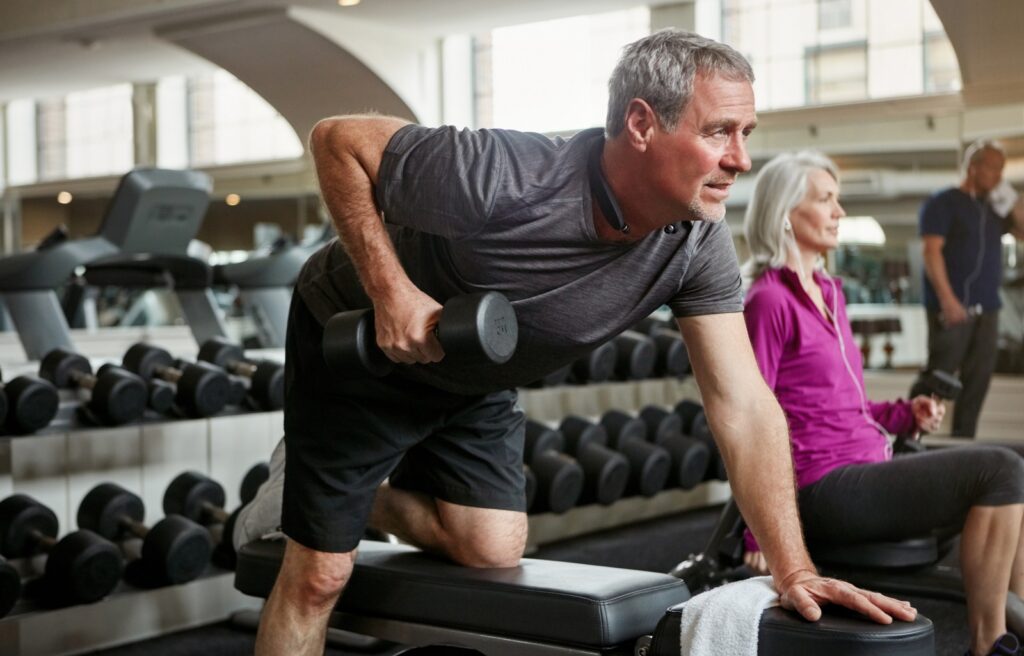
Strength training directly targets the physiological systems that decline with age. Unlike cardio, which primarily improves cardiovascular endurance, resistance training helps preserve and rebuild:
- Muscle mass (hypertrophy and neuromuscular activation)
- Bone density (reducing osteoporosis risk)
- Joint stability and connective tissue strength
- Metabolic health (insulin sensitivity and glucose control)
Even more importantly, strength training improves functional movement patterns – standing, squatting, lifting, and carrying – skills directly tied to independent living.
You’re never “Too Old” to Build Strength
One of the most persistent myths in fitness is that older adults cannot meaningfully build muscle. Evidence strongly contradicts this. Studies show that adults in their 60s, 70s, and even 80s can significantly increase strength and muscle size with consistent resistance training.
The body remains adaptable at every age. While progress may be slower compared to younger populations, improvements in strength and function are still highly achievable and often dramatic in terms of quality-of-life impact.
What Effective Longevity Strength Training Looks Like
Strength training for older adults does not need to be extreme or complicated. In fact, simplicity and consistency matter more than intensity.
A well-designed program typically includes:
- 2–3 sessions per week of resistance training
- Emphasis on compound movements (squats, hinges, presses, rows)
- Use of bodyweight, resistance bands, machines, or light free weights
- Progressive overload (gradually increasing resistance over time)
- Balance and stability components integrated into training
Importantly, the goal is not bodybuilding – it is function preservation and injury prevention.
Cardio Still Matters – but in a Supporting Role
This is not about replacing cardio entirely. Walking, cycling, swimming, and other aerobic activities still provide major cardiovascular and mental health benefits. However, cardio alone does not adequately address the muscle and bone loss associated with aging.
The most effective long-term approach is a hybrid model:
- Strength training = preserves independence and physical capacity
- Cardio = supports heart health and endurance
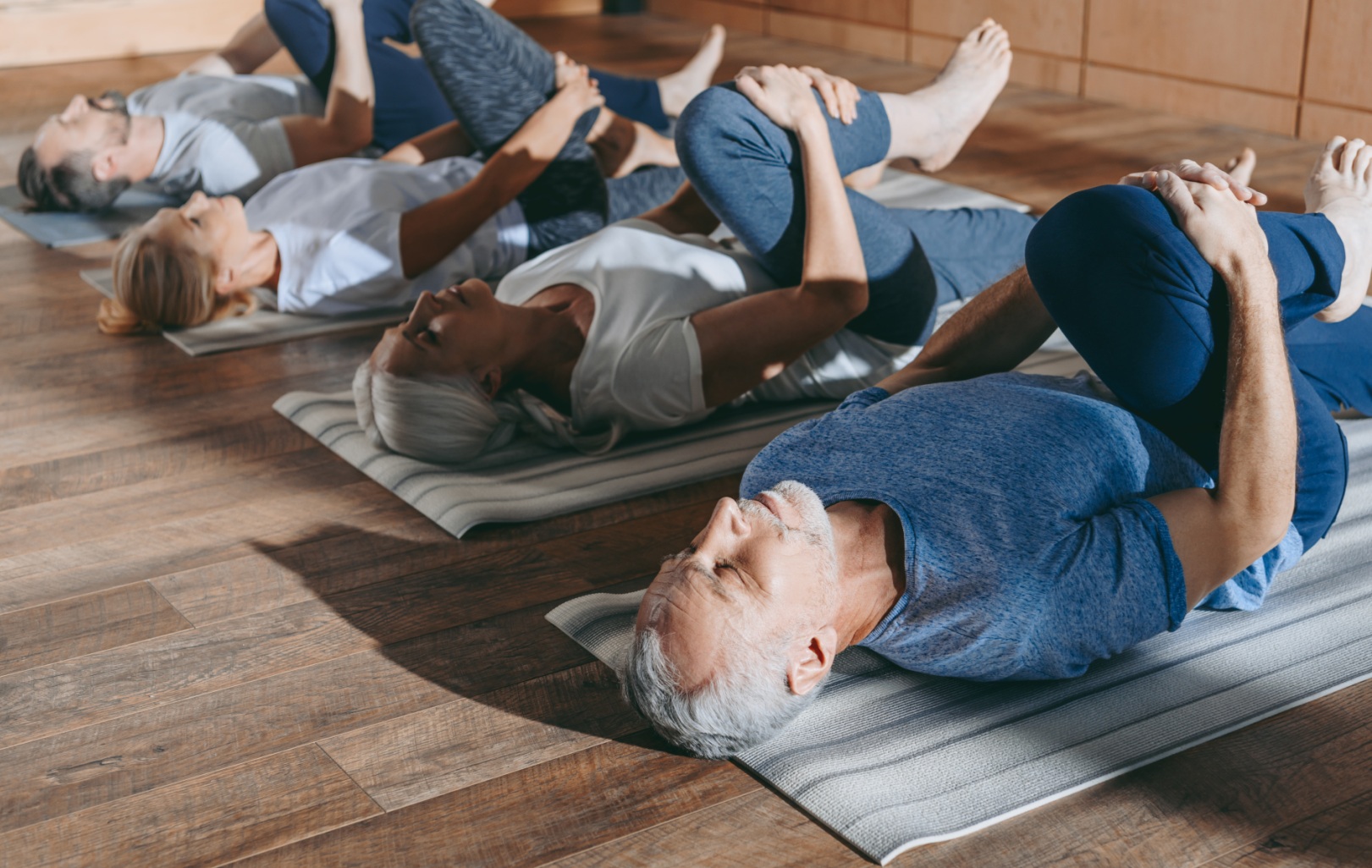
- Mobility work = maintains range of motion and reduces stiffness
Together, they form a complete longevity strategy.
The ultimate goal of senior fitness is not performance – it is autonomy. The ability to live without physical limitations, reduce injury risk, and maintain confidence in daily movement is what truly defines healthy aging. Strength training directly supports this goal more effectively than any other form of exercise.
As the science of aging evolves, so must our approach to fitness. The idea that seniors should focus primarily on light cardio is outdated. Strength training is no longer optional – it is foundational for aging well.
Building and maintaining muscle after 60 is not about defying age. It’s about adapting to it intelligently, preserving independence, and ensuring that longevity is matched with quality of life. If cardio helps you live longer, strength training helps you live better.