Did you know that, among people ages 65+ who break a hip, 27% die within a year? Do I have your attention?
As noted by Dr. David Kavasteen, small daily efforts can make a significant impact on reducing falls, enhancing movement efficiency, and increasing confidence in mobility. By integrating exercise, proper nutrition, postural awareness, and modern technology, aging individuals can continue to move freely, independently, and with confidence. Moreover, adapting home environments and embracing mental resilience can further support an active, safe, and fulfilling lifestyle.
Fortunately, more years under your belt does not mean an inevitable decline in mobility and balance. The CDC says optimizing balance and posture is a good idea. So is resistance training. If these two disciplines were a Venn diagram, the overlapping sections might be called mobility.
Here’s the thing: with consistent strength training, flexibility exercises, cardiovascular conditioning, and mindful movement practices, individuals can maintain and even improve their physical capabilities well into later life.
What if your daily journey combined mobility, stability, and strength that would optimize your overall well-being? A fractured hip would be less likely, but if it still happens, recovery is more likely. RAC members who have joined the mobility movement have also said they feel a greater sense of independence, less joint pain, and increased performance (better posture, form, and recovery from exercise).
Ready to get moving? We believe that with the right guidance, anyone can improve their mobility. At the Rochester Athletic Club our approach is to emphasize proper form and listen to your body. The RAC is very intentional in creating an invitation for all of their members to receive guidance in exploring what might work for you. We offer 2 complementary personal training sessions or private lessons in yoga and Pilates reformer.
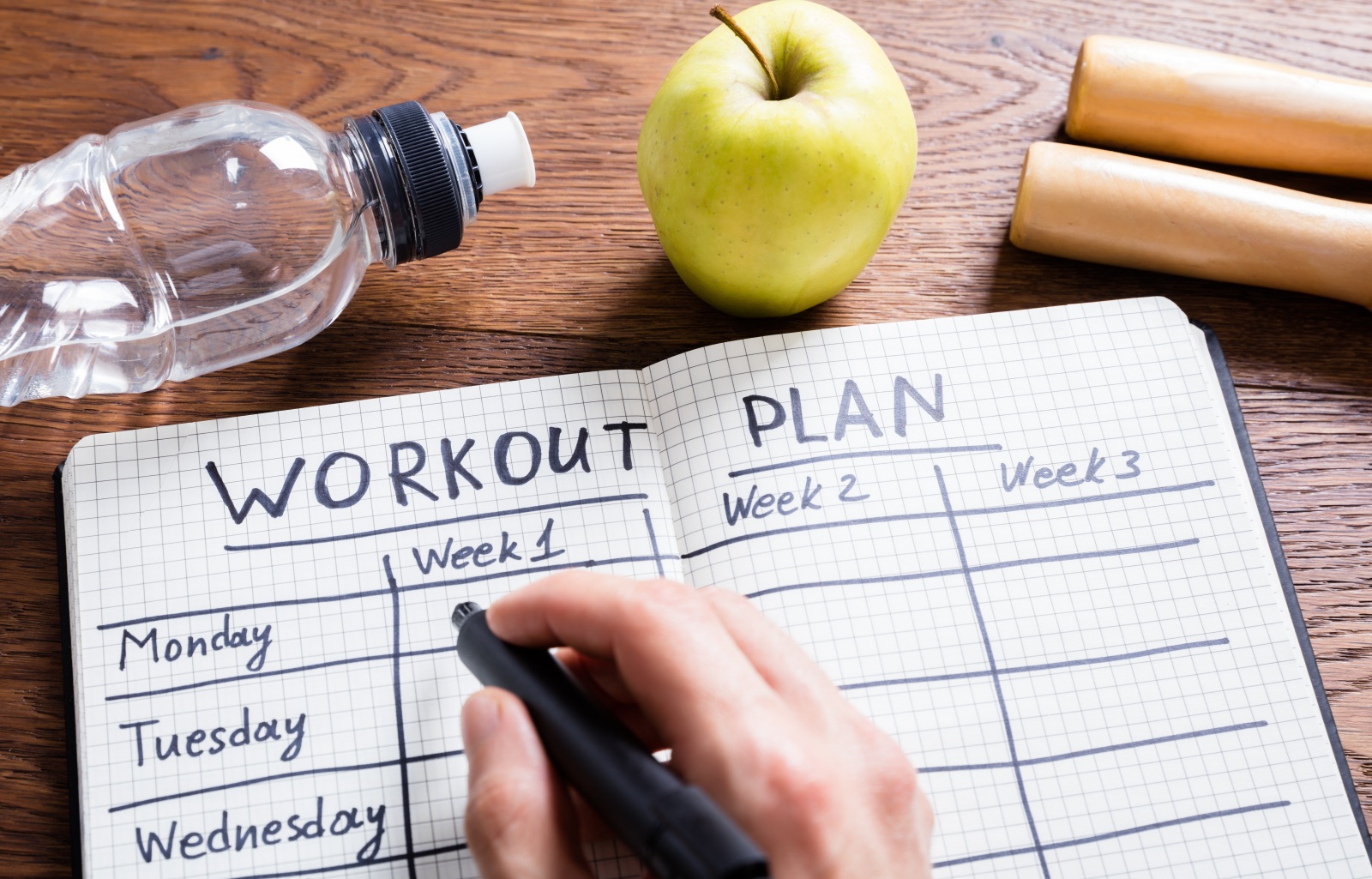
Starting with foundational movements and gradually progressing is key to creating a successful plan. If you are looking to work out on your own here is a simple plan to help you get started:
Aerobic Training:
Walk, swim, or cycle 20-30 minutes a day: These are all activities that most people can do, and they present very small risks of injury. Do something that you enjoy and maybe ask a friend to join you.
Resistance Activities:
Push-Ups: Strengthen your chest and arms by maintaining a straight plank position. Modify by dropping to your knees or performing the movement against a wall if needed.
Glute Bridges: Lie on your back with knees bent and feet flat on the ground. Lift your hips toward the ceiling to engage your core and strengthen your lower back.
Planks: Build core stability by holding a push-up position for a set duration.
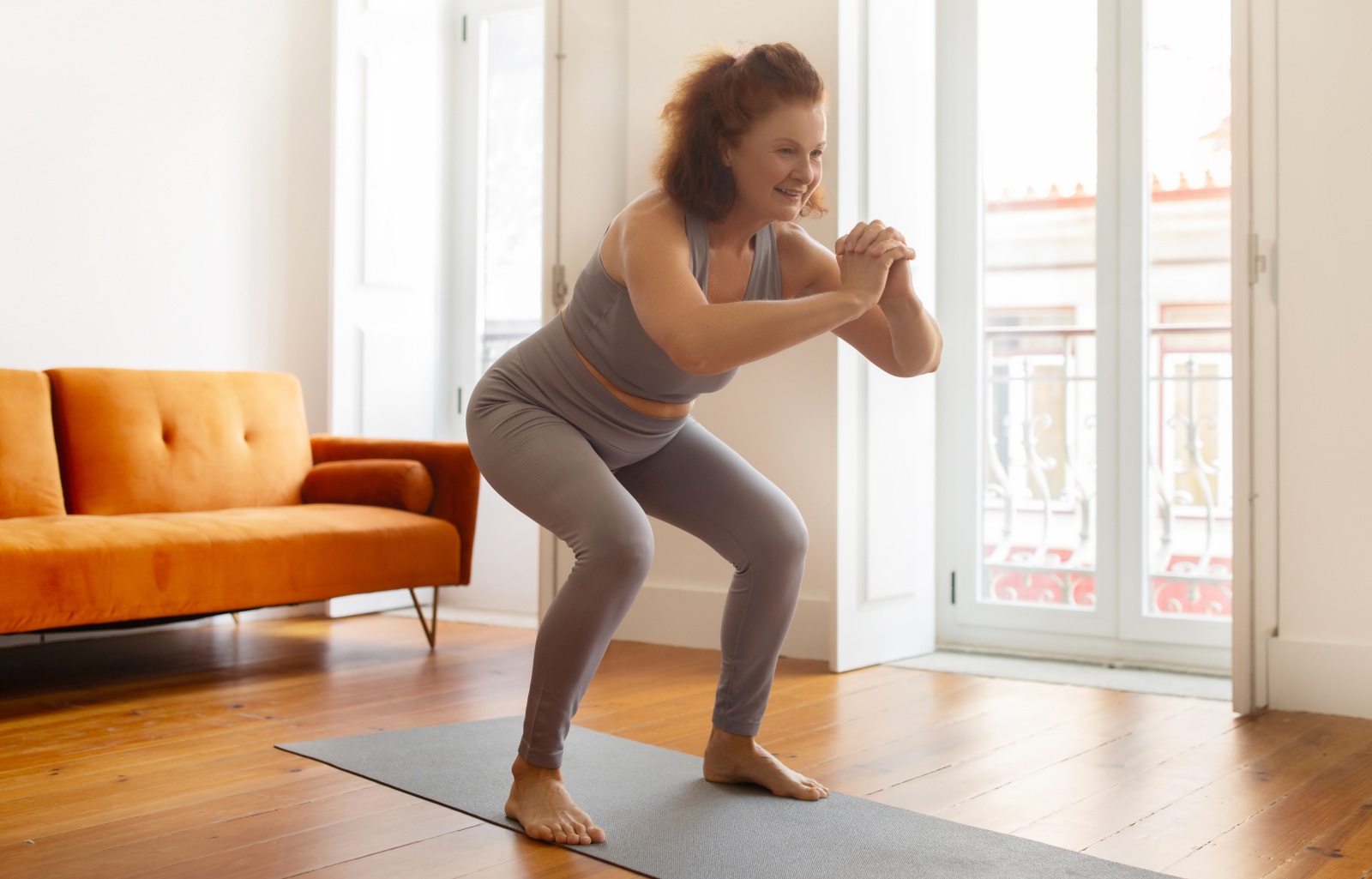
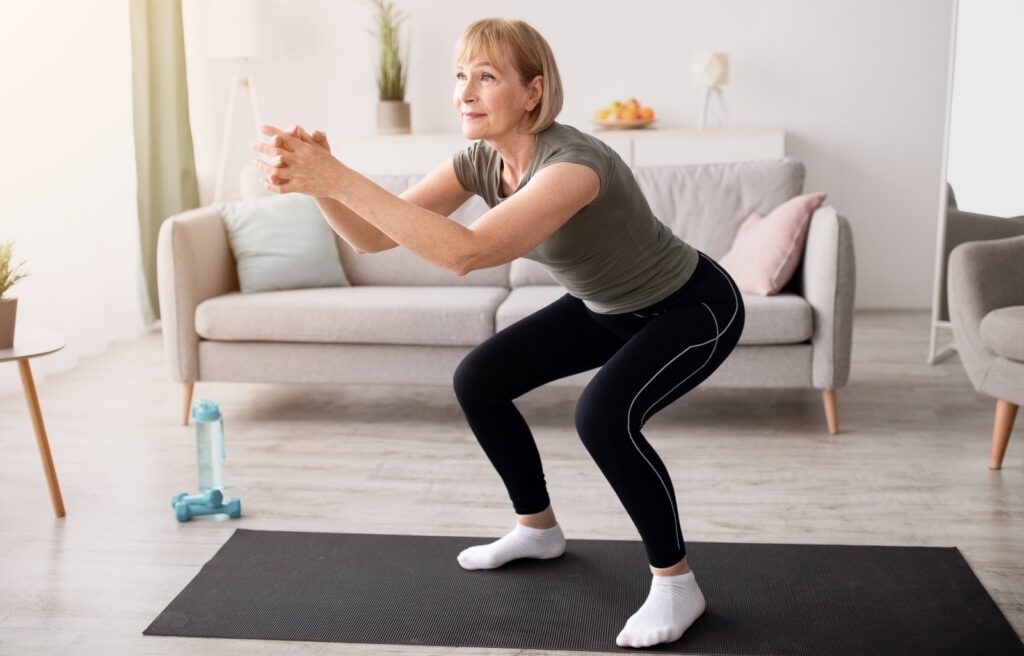
Squats: Develop strength in your quads, hamstrings, calves, and core through this functional movement, mimicking actions like picking objects from the floor or standing up from a seated position.
For an efficient 10-minute routine, complete 2 sets of 10–15 repetitions for each movement, and hold your plank for 20–30 seconds.
Two ways you can get your mobility routine started, today:
Come to the RAC!
Many of you already do. Awesome. Want to talk mobility? My office is on the lower level, next to the track. Open-door policy. I’m here to help you have fun moving! If you like to schedule appointments kfrick@racmn.com is the best email for reaching me.
Build an at-home mobility routine for yourself.
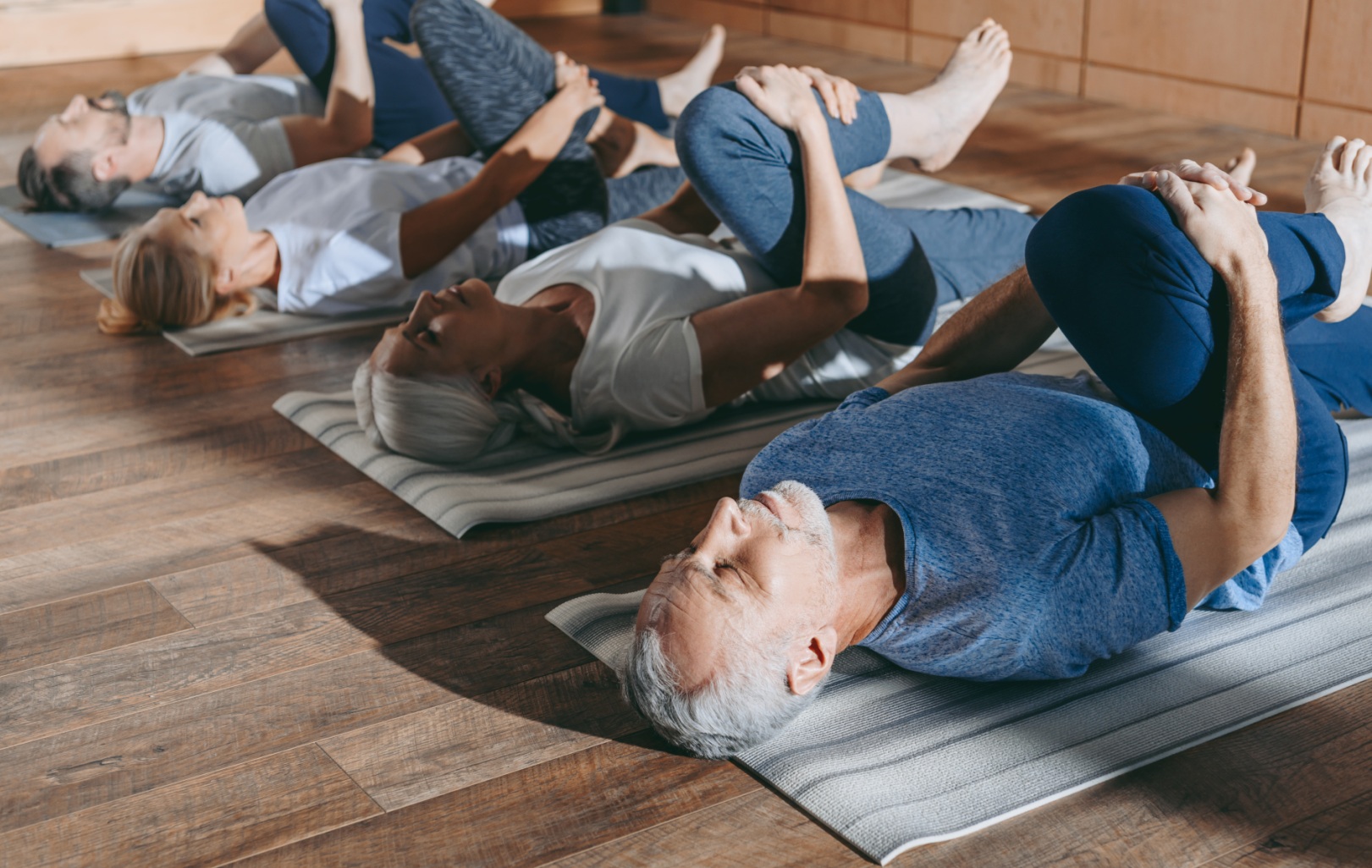
Like any habit that you want to stick, these things start with a little bit at a time. Consistency first, intensity later. Spend 5-10 minutes working on mobility before bed or after waking. Looking to dig deeper? Kelly Starrett is a mobility guru and author of the important books Deskbound and Becoming a Supple Leopard.
OK! Enough for today. Get out there and get moving! I’ll be reachable if you have mobility questions.