Your core is more than just abs – it is the powerhouse that helps you spring out of bed, stand tall, move with control, and stay injury free. As the foundation of a balanced, functional body, a strong core not only enhances posture and athletic performance, but also creates a strong, visibly toned core.
The core muscles go beyond just your abdomen; they also include key back muscles, pelvic floor muscles, and the diaphragm. Listed below are two exercises to work each group of core muscles that should be included within your weekly fitness routine.
Rectus Abdominis Muscle – this core muscle is what gives you the “6-pack” look, it aids in spinal flexion and crunching movements.
- Crunches – lay flat on your back with knees bent 90 degrees, feet placed firmly on the mat about hip width apart, lift your shoulders towards the sky hold up to 10 seconds, pushing your lower back into the floor. Return to starting position.
- Lying Straight Leg Raises – lay flat on your back, keeping your legs straight, lift them to 90 degrees, hold up to 10 seconds and lower to starting position while keeping your lower back pressed into the mat.
Transverse Abdominis – your deep core muscles. They help stabilize the spine and pelvis, and support deep breathing and core compression.
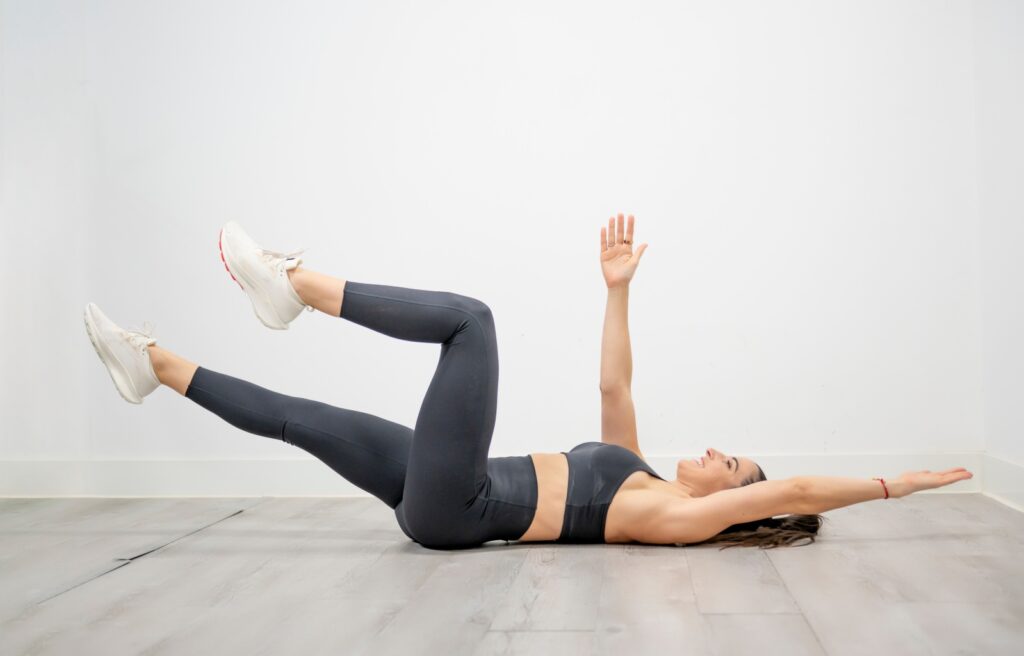
- Dead Bug – lay flat on your back with your knees bent 90 degrees and toes pointed up. Extend your arms towards the sky, you should look like a dead bug. With your back pushed into the mat extend your left arm and right leg outwards, hold up to 10 seconds and return to the starting position. Repeat with right arm and left leg.
- Plank Hold – start lying face down on the mat. Place elbows directly under your shoulders, feet hip width apart. Ensure your back is flat, and that your head and neck are in a neutral position. Think about pushing your elbows into the mat and squeezing your glutes and core. Hold for 30 seconds to 2 minutes.
Internal and External Obliques – your side abdominal muscles. They aid in rotational movement of the torso and bending from side to side.
- Russian Twists – sit on the floor with knees bent, feet flat hip width apart. Lean slightly back to a 45-degree angle. Raise your arms straight in front of you and rotate your torso to the right bringing your hands to your right hip. Hold for up to 10 seconds and rotate back to starting position, repeat on the left side. This can be done by holding a weight (dumbbell, kettlebell or plate).
- Side Plank Hip Dips – start by lying on your side. Place your right elbow directly below your right shoulder, keeping your legs stacked on top of each other. Your body should be in a straight line from your head to your heels, lift your hip off the mat engaging your core and keeping your body in a straight line. Slowly lower your hip to the mat and back up to starting position. Repeat for desired number of repetitions, switch to the other side.
Erector Spinae – are located in your lower back. They support posture and stabilize the spine.
- Superman – start by lying face down on the mat, extend both arms straight in front of you with palms facing each other and both legs straight behind you with your feet hip width apart. Lift your arms, chest and legs 3-6 inches off the mat engaging your core, back and glutes, hold up to 10 seconds and come back to starting position.
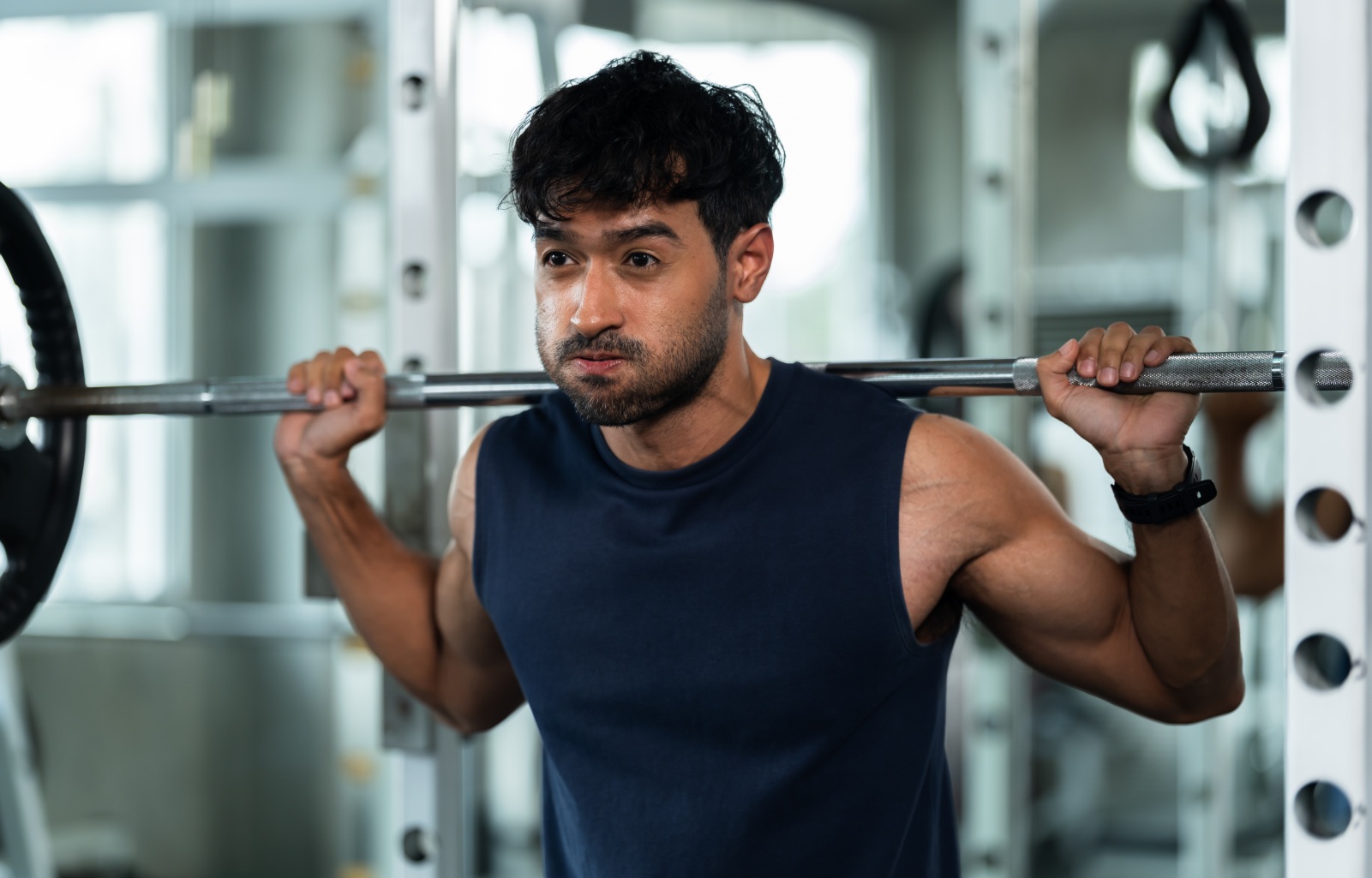
- Good Mornings – stand with feet hip width apart with a slight bend at the knees. Place your hands behind your head or in front of your chest. Brace your core, push your hips back, and start to lower your torso towards the floor. Bend at the hips making a hinge, keep your back straight and engage your abdominal muscles. Lower your torso until you feel a slight stretch in your hamstrings. Return to starting position. This can be done with a barbell on your shoulders or standing on a resistance band and wrapping it around your shoulders.
Quadratus Lumborum – are in the lower back on either side of the torso. They provide stability when side bending or extension of the back.
- Side bend with a weight (dumbbell or kettlebell) – stand with feet planted into the floor hip width apart. Place a weight in your right hand down by your side, place your left hand on your left hip. Lower your right hand with the weight down the side of your body, slightly bending at the waist keeping your back and neck straight. Return to starting position and repeat on the other side.
- Suitcase carry – stand with feet planted into the floor hip width apart. Place a weight in your right hand down by your side. While standing tall and engaging your abdominal muscles begin walking. Take controlled steps forward keeping your back straight and chest up. After a set distance switch sides and repeat.
Multifidus are the deep spine muscles stabilizing the spine and supporting posture.
- Bird Dogs – begin on all fours, ensuring your hands are directly below your shoulders and knees directly below your hips. Engage your abdominal muscles and pull your shoulder blades together. Raise your right arm and left leg, lengthen your back and tuck your chin to the floor, hold up to 10 seconds and lower back down to starting position. Repeat with your left arm and right leg.
- Bridge Holds – lay on your back with your knees bent 90 degrees and feet planted into the floor, hip width apart. Place your arms at your side with palms facing the mat. Engage your abdominal muscles, push your lower back into the mat and lift your hips to the sky, driving your heels into the floor and squeezing your glutes. Hold this position for 20-60 seconds and lower to starting position.
Pelvic Floor Muscles – assist in posture as well as support the reproductive organs and bladder
- Kegels – tighten the muscles used for urination for 3-5 seconds.
- Glute Bridge – lie on your back on the mat with your knees bent 90 degrees and feet planted on the floor, hip width apart. Place your arms at your side with palms facing the mat. Engage your abdominal muscles, push your lower back into the mat and lift your hips to the sky, driving your heels into the floor and squeezing your glutes, keeping your shoulders on the mat. Hold for just a moment and return to starting position.
Diaphragm Muscle – plays a crucial role in breathing. It also stabilizes the intra-abdominal pressure.
- Diaphragmatic Breathing – lay flat on your back, bend your knees 90 degrees and place your feet firmly flat about hip width apart. Place one hand on your chest and the other on your belly below your rib cage. Breathe in slowly through your nose, picturing your belly filling up with air. Watch your hands as you breathe and ensure only your hand on your belly is rising. Purse your lips and slowly exhale.
- Blowout Planks – start lying face down on the mat. Place elbows directly under your shoulders, place feet hip width apart, ensure your back is flat, your head and neck are in a neutral position. Think about pushing your elbows into the mat and squeezing your glutes and core. Exhale fully while holding your plank.
References:
- Brungardt, Mike, Brett, Kurt. The Complete Book of Core Training: The Definitive Resource for Shaping and Strengthening the ‘Core’—The Muscles of the Abdomen, Butt, Hips, and Lower Back. New York, NY: Hyperion Publishing, 2006.
- Hartfield, Frederick. Fitness: The Complete Guide Official Text for ISSA’s Certified Fitness Trainer Course. International Sport Sciences Association. 2022
- Gray, Henry. Gray’s Anatomy: With Original Illustrations by henry Carter. London, England: Articus Publishing, 2013.