The ability to safely transition between the floor, seated positions, and standing is one of the most essential functional skills for older adults. Although these movements are part of everyday life, they are often neglected in structured exercise programs. Difficulty with transitional movements can significantly affect independence, safety, and confidence, making them a critical focus in senior fitness programming.
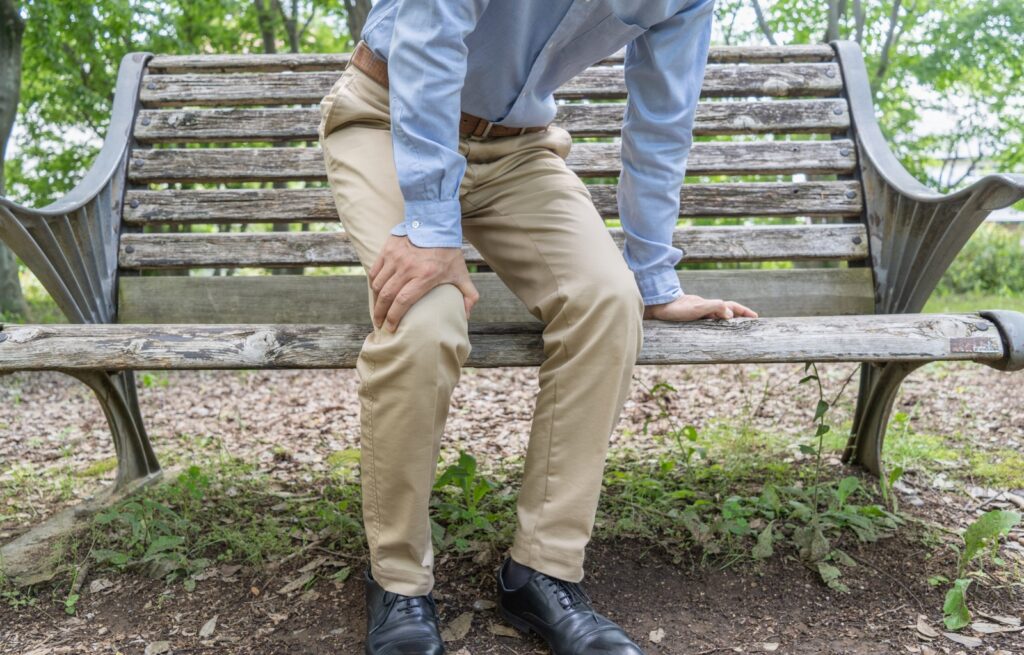
As individuals age, reductions in muscular strength, joint mobility, balance, and coordination can make standing up from a chair or getting off the floor increasingly challenging. When these movements become difficult, many older adults limit their activity out of fear of falling or being unable to recover after a fall. This avoidance can lead to further physical decline, reduced social engagement, and loss of independence. Fortunately, the ability to get up and down safely is a trainable skill that can be improved at any age with appropriate practice.
One of the primary reasons this skill is so important is its relationship to fall risk. Falls are a leading cause of injury among older adults, but the inability to rise independently afterward often has a greater long-term impact than the fall itself. Older adults who lack confidence in their ability to get off the floor may restrict movement, avoid unfamiliar environments, or rely excessively on others for assistance. Training transitional movements supports preparedness, autonomy, and peace of mind.
Safe transitions require several physical components working together.
Lower body strength is essential for rising from seated or kneeling positions. The muscles of the hips and thighs generate the force needed to stand efficiently and reduce reliance on the arms. Adequate strength in these muscles also protects the knees and hips during repeated daily movements.
Core stability plays a critical role in controlling posture and transferring force between the upper and lower body. A stable core allows smooth, controlled movement and helps maintain spinal alignment during transitions. Weakness in this area can lead to compensatory strategies that increase strain on the lower back and compromise balance.
Balance and coordination are equally important. Transitional movements require controlled shifts in body weight and precise positioning of the feet and hands. Poor balance increases the risk of instability during these moments, particularly when rising from low surfaces or uneven ground.
Joint mobility, especially in the hips, ankles, and spine, allows the body to move into efficient positions. Restrictions in mobility often force individuals to adopt awkward or unsafe movement patterns, increasing fatigue and injury risk.
When untrained, many older adults develop habits that further limit their ability to move safely. Avoiding the floor entirely, relying heavily on one side of the body, rushing through movements, or holding the breath during effort are common compensations. While these strategies may feel protective in the short term, they contribute to long term decline in strength, coordination, and confidence.
Training this skill should follow a gradual and structured progression.
Sit-to-stand exercises from a chair provide a foundational starting point. Practicing controlled rises reinforces symmetrical movement, builds leg strength, and improves coordination. Seat height and arm support can be adjusted to match the individual’s current ability.
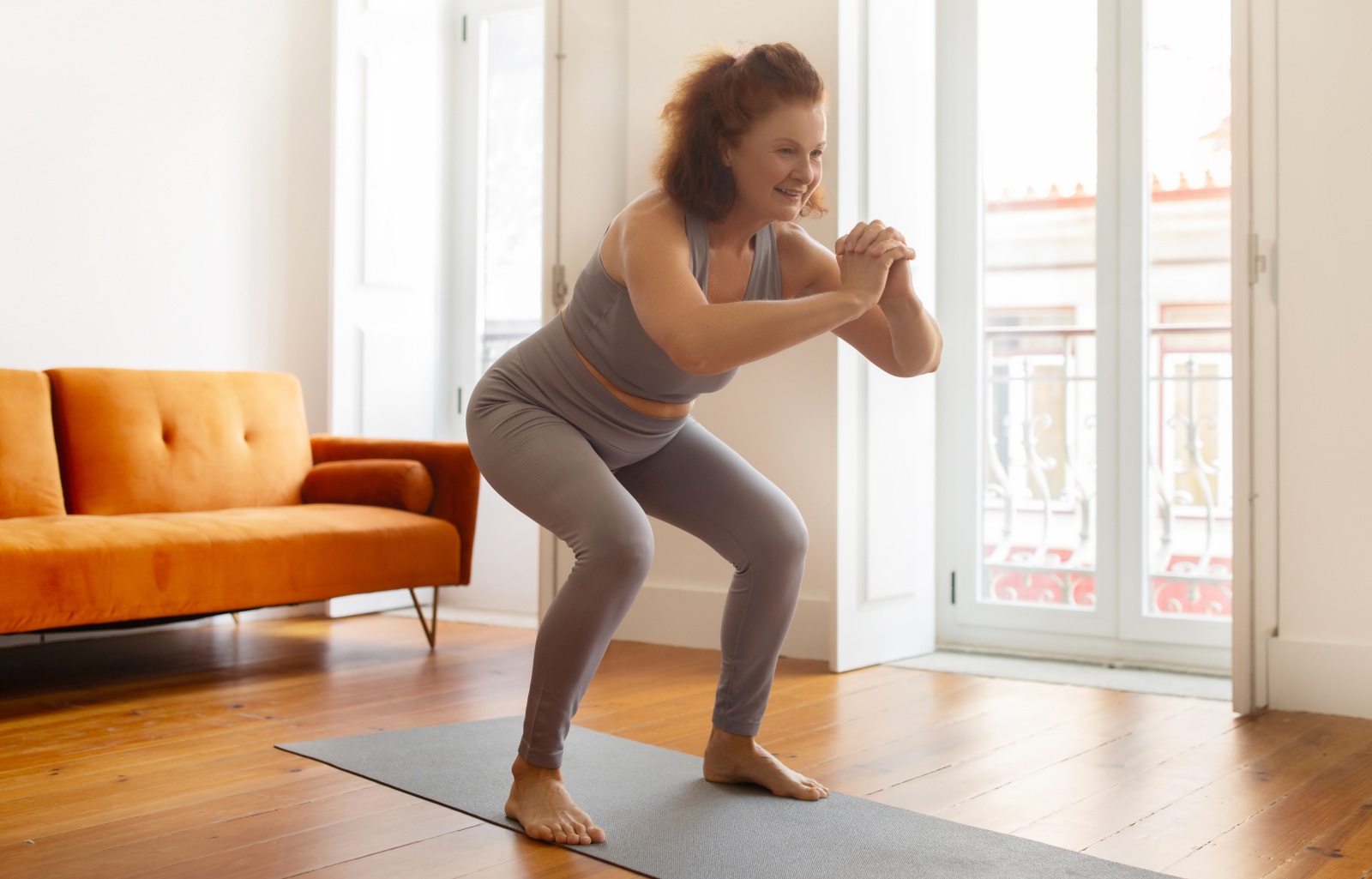
As strength improves, exercises that bring the body closer to the ground can be introduced. Supported split squats, step-back movements, or kneeling-to-stand drills help prepare the body for floor-level transitions while maintaining safety and control.
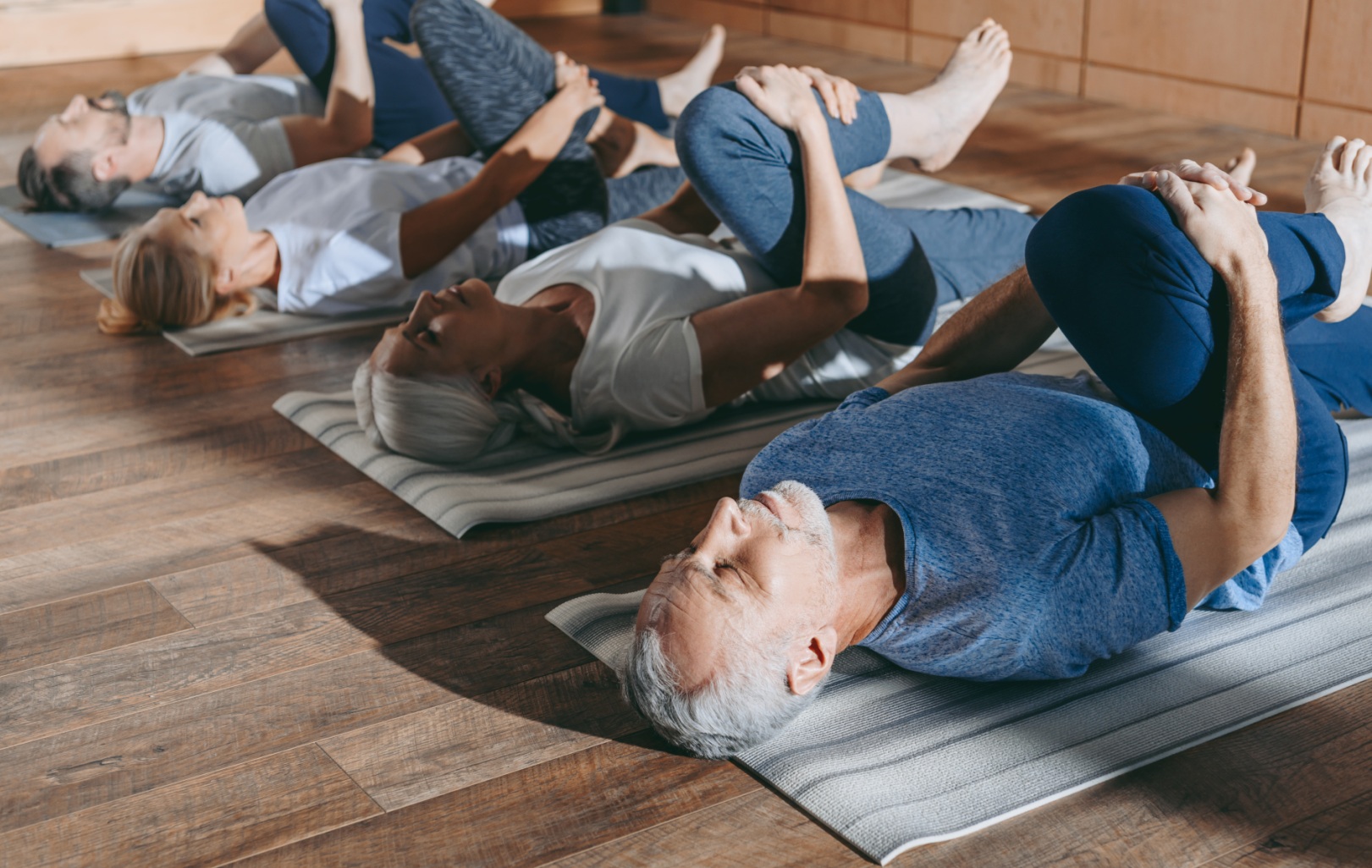
Direct practice of floor transitions should be performed using stable support such as a chair, bench, or wall. A commonly taught method involves lowering to one knee, placing the hands on a stable surface, shifting weight gradually, and reversing the sequence to return to standing. Emphasis should remain on slow, deliberate movement rather than speed.
Safety considerations are essential. Training should occur on a padded surface with supportive footwear and stable handholds available. Movements should never be rushed, and any dizziness, pain, or unusual discomfort should result in immediate cessation of activity. Supervision by a qualified fitness professional experienced in working with older adults is strongly recommended.
Beyond physical benefits, training the ability to get up and down safely has a profound psychological impact. Older adults who trust their movement capabilities often demonstrate greater confidence, increased activity levels, and improved quality of life. This confidence alone can significantly reduce fall risk.
To summarize, the ability to transition safely between the floor and standing is not merely an exercise but a fundamental life skill. By addressing strength, balance, mobility, and coordination, older adults can preserve independence, reduce fear, and maintain functional capacity well into later life. Training this skill promotes resilience, preparedness, and confidence in everyday living.