The Knee Joint – Simple, or is it?
We often think of the knee as a simple hinge joint – watching it bend and straighten makes it appear that way. But when considering all of the structures and the biomechanics of the knee, it is the most complex joint in the body!
The Structure – What is it made of?
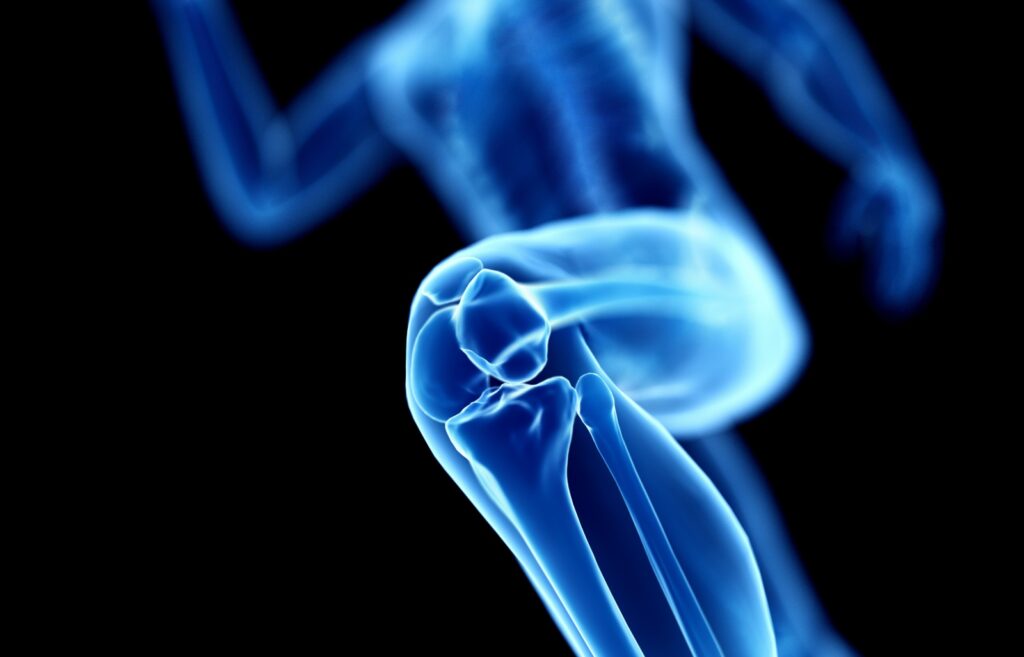
The Bones: femur, tibia, fibula, patella (kneecap)
The Joints: The primary joints in the knee are the tibial-femoral (shin and thigh bone) and patello-femoral (kneecap and thigh bone). The knee is a gliding, pivoting, hinge joint.
The Muscles: quadriceps, hamstrings, gastrocnemius, gracilis, sartorius, tensor fascia latae via the iliotibial band (IT band) and the popliteus and plantaris (small muscles that add to stability and mobility of the joint).
The Function – How does it work?
Bones & Ligaments: The thigh bone rests and turns on the upper end of the shin bone, and the kneecap slides in a groove on the end of the thigh bone. Four ligaments connect the thigh bone and shin bone to stabilize the knee joint.
Muscles: The quadriceps, the long muscles on the front of the thigh, provide extension force for the knee. The hamstrings, the long muscles on the back of the thigh, provide force for knee flexion.
Cartilage: The smooth articular cartilage covers the surface of the bones where they touch each other within the joint. This articular cartilage acts as a cushion between the bones.
Synovial Membrane: The rest of the surfaces of the knee joint are covered by a thin, smooth tissue liner called synovial membrane, which makes a small amount of fluid that acts as a lubricant. Picture this – two pans with teflon surfaces resting face-to-face and having a thin layer of oil between them so that the surfaces don’t touch and slide across each other very easily.
Movement: The knee moves mainly as a hinge joint but has some component of pivoting and gliding through various points in the full range of motion. The final range of motion of straightening the knee is called the “screw-home” mechanism. This is a complex movement in the knee joint involving slight rotation of the thigh and shin bones that occurs with unique forces of muscle contractions and ligament forces. The movement pattern is dependent on whether the foot is fixed on a surface (close-chain) or free moving (open chain). Once the knee is ‘locked”, it is first necessary to twist i.e. unlock the joint to bend it again.
Common injuries to the knee
According to multiple sources, 40-50% of sports injuries are to the knee.1,2 . Most common injuries include sprains and tears. There are basically 2 external ligaments and 2 internal ligaments in the knee that sprain or tear. The medial collateral (MCL) and lateral collateral (LCL) – the two external ligaments – are most often sprained. The anterior cruciate (ACL) and posterior cruciate (PCL) are the structures that tend to tear.
The MCL sprain and ACL tear are the most common sports injuries to the knee. ACL tears account for approximately 20% of knee injuries. In addition to these ligament injuries, tears to the meniscal cartilage are quite common.
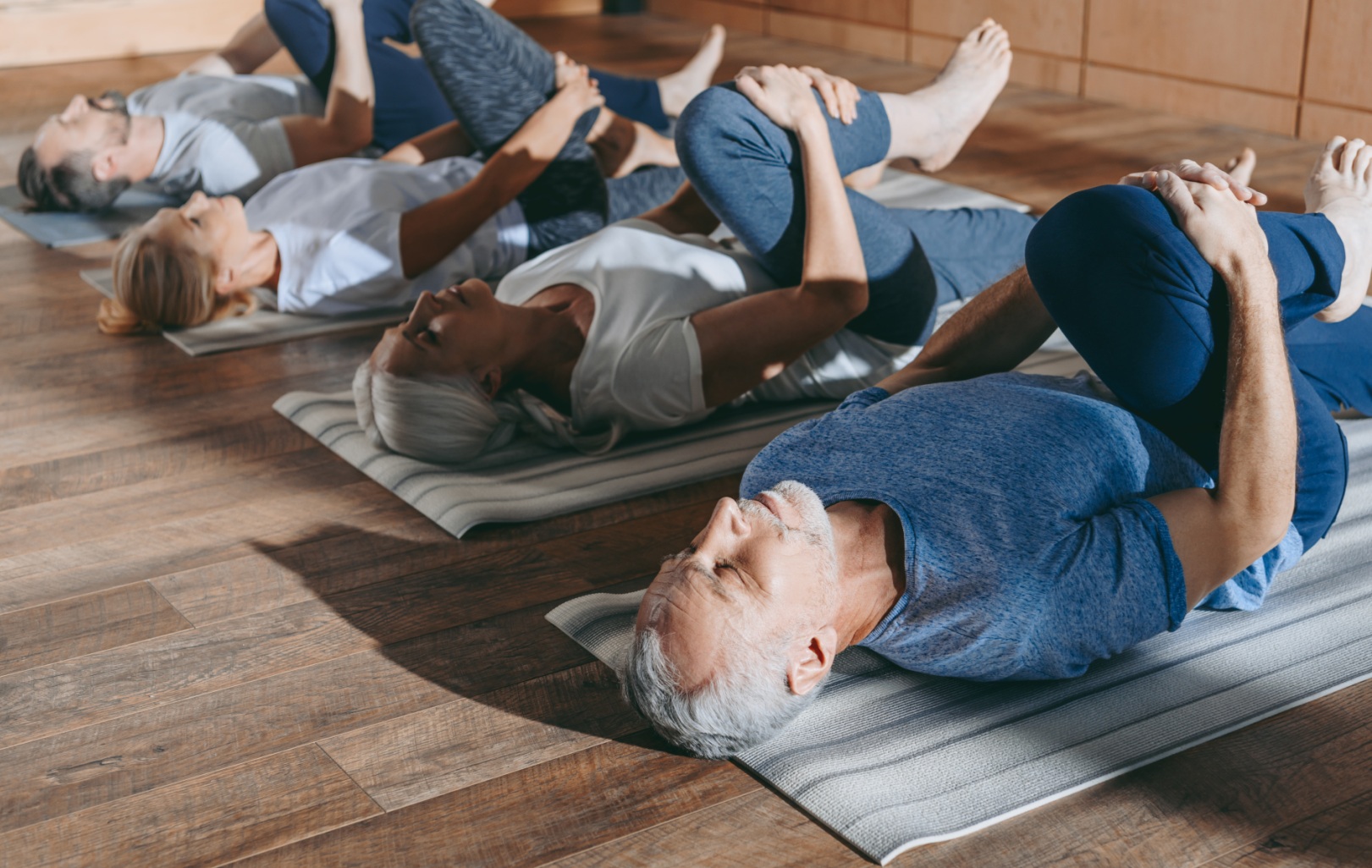
Strengthening, balance and stability training exercises are critical for rehab but just as important in preventing injury in the first place.
Common Causes of knee pain
One of the most common causes of knee joint pain is arthritis. The following are the most common types of arthritis:
- Osteoarthritis (OA) or degenerative arthritis
- Rheumatoid Arthritis (RA) – an autoimmune disease where the body mistakenly attacks the joints causing joints to become thickened and inflamed.
- Post-traumatic Arthritis – may develop after an injury to the joint in which the bone and cartilage do not heal properly.
The Exercises – How do you stabilize and strengthen the knee? *
Balance exercises:
Single leg standing with variations, balance board, dyna-discs
Stability ball exercises:
Bridging, wall squats
Bosu exercises:
Balance, squats
Exercises that work all of the major muscles:
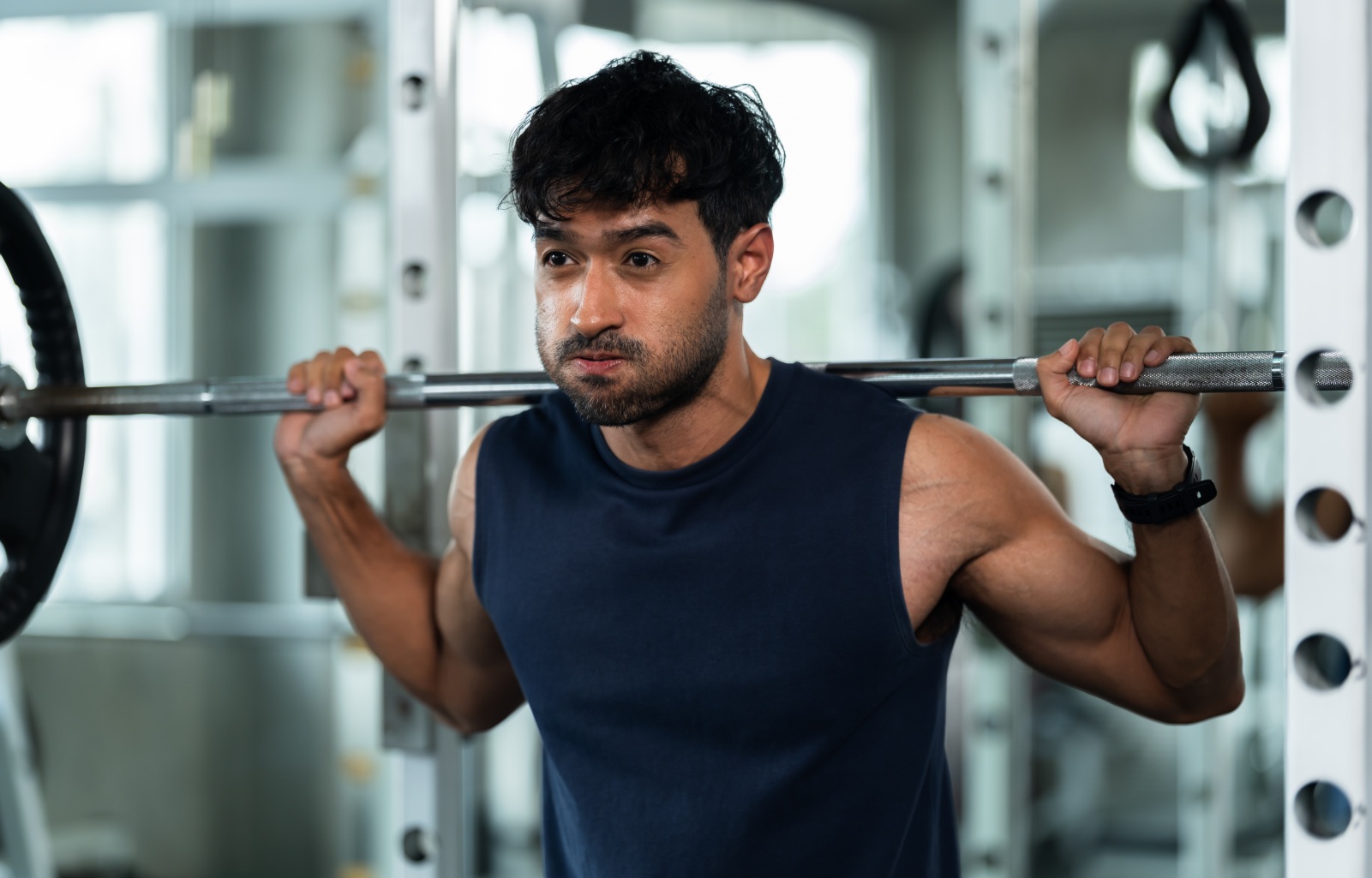
Squats, deadlifts, leg press, lunges, step ups, goblet squats
Isolation exercises:
Leg extensions (various forms/positions), leg curls (various forms/positions), heel raises (with knee straight)
Other types of strengthening and training exercises:
Isometric – contraction without movement
Plyometric – ballistic movements with high speed loading/unloading
Agility – dynamic, multi-directional/change-of-direction
* See a RAC certified personal trainer for more instruction on exercises for the knee joint.
Sources:
- Sports Medicine. “Injuries around the knee – Symposium”, British Journal of Sports Medicine (BJSM), 2010. https://bjsm.bmj.com/content/44/Suppl_1/i1.1 .
- “Top 5 Most Common Sport Injuries”, University of Utah Health, Mar 03, 2023. https://healthcare.utah.edu/healthfeed/2021/11/top-5-most-common-sport-injuries.