Hot flashes, night sweats, mood swings (irritability, anxiety, depression), sleep problems, irregular periods, changes in body shape (weight gain), thinning hair, these are some of the symptoms many women experience during perimenopause. Perimenopause is the transitional period for women that leads up to menopause. The age that women start perimenopause varies but typically starts in her 40’s and lasts several years.
During this time there are changes happening with two important hormones: estrogen and progesterone. The changes in these hormones are why strength training becomes especially important. The fluctuation of hormones can affect muscle mass and strength, bone density, fat distribution, insulin sensitivity, sleep, mood, and energy levels.
Without intervention, women can lose 3-8% of their muscle mass per decade after the age of 30, a rate that increases after 50. This leads to slower metabolism, stubborn belly fat, and reduced strength.
Here are a few ways that strength training can help during this transitional period:
- It keeps the muscle we already have – As estrogen declines the body becomes less efficient at building and maintaining muscle. Muscle tissue is metabolically active, so it helps to regulate our blood sugar. Maintaining muscle keeps us strong and metabolically healthy.
- It supports bone health – Estrogen is a key factor in bone density. As we age the risk of bone loss increases. Strength training helps reduce the risk of osteoporosis as we age. It does this by applying stress to bones, which signals bone-forming cells (osteoblasts) to build denser, stronger bone tissue, increasing bone mineral density and reducing fracture risk. Strength training strengthens bones in important areas like hips, spine and wrists. By including balance training with strength training, it can also help to reduce falls which is a major cause of fractures as we age.
- It improves sleep and mood. Strength training like most if not all forms of exercise have a powerful effect on mental health! It can reduce anxiety, improve sleep quality, and boost self-confidence. Strength training can boost mood by releasing endorphins, the body’s natural feel-good chemicals. Especially during a time when women feel disconnected from their bodies with all the changes happening. Exercise can help women feel in control of their body again.
- It can help women tackle day to day chores and improve quality of life in everyday tasks. Being stronger makes everything feel easier, from things like carrying groceries, cleaning the house, to lifting luggage into the overhead bin.
What are some strength training goals we should have during perimenopause – How much? How often? What exercises?
A good goal for women would be to target all major muscle groups at least 2 days per week. Although there are many different good options the workout really does depend on the individuals’ needs, injuries etc. A general rule of thumb for a healthy individual would be 2-3 sets of 8-12 reps with the last repetition being difficult to complete but at the same time able to maintain good form. Some examples of good exercise could include:
- Squats – strengthen the entire lower body, core, and back. They are also very important because they mimic many daily movements like sitting and standing. These movements are very important as we age and want to maintain independent living situations.
- Lunges – another great exercise for not only leg strength but balance as well.
- Deadlifts – great posterior chain exercise to work the glutes, hamstrings and lower back.
- Chest press/push-ups – both are great large muscle upper body exercises. Pushups will give you extra core workout.
- Rows/pull-ups – both are great upper body back exercises. Rows are crucial for posture.
- Planks – an isometric exercise that is a great way to build core stability.
As always if someone is new to strength training it is important to progress from bodyweight or light weights until form is mastered before increasing the load.
Recovery is also an important part of strength training. Ideally after a strength training session we should be consuming around 30-40g of protein within 30-40 minutes of our workout (daily protein should be 1.5-2g per kg of body weight), allowing at least 48 hours of recovery between heavy sessions and making sure we are getting enough sleep. Post workout fuel should have a good mix of protein and carbohydrates to replenish fuel and aid recovery.
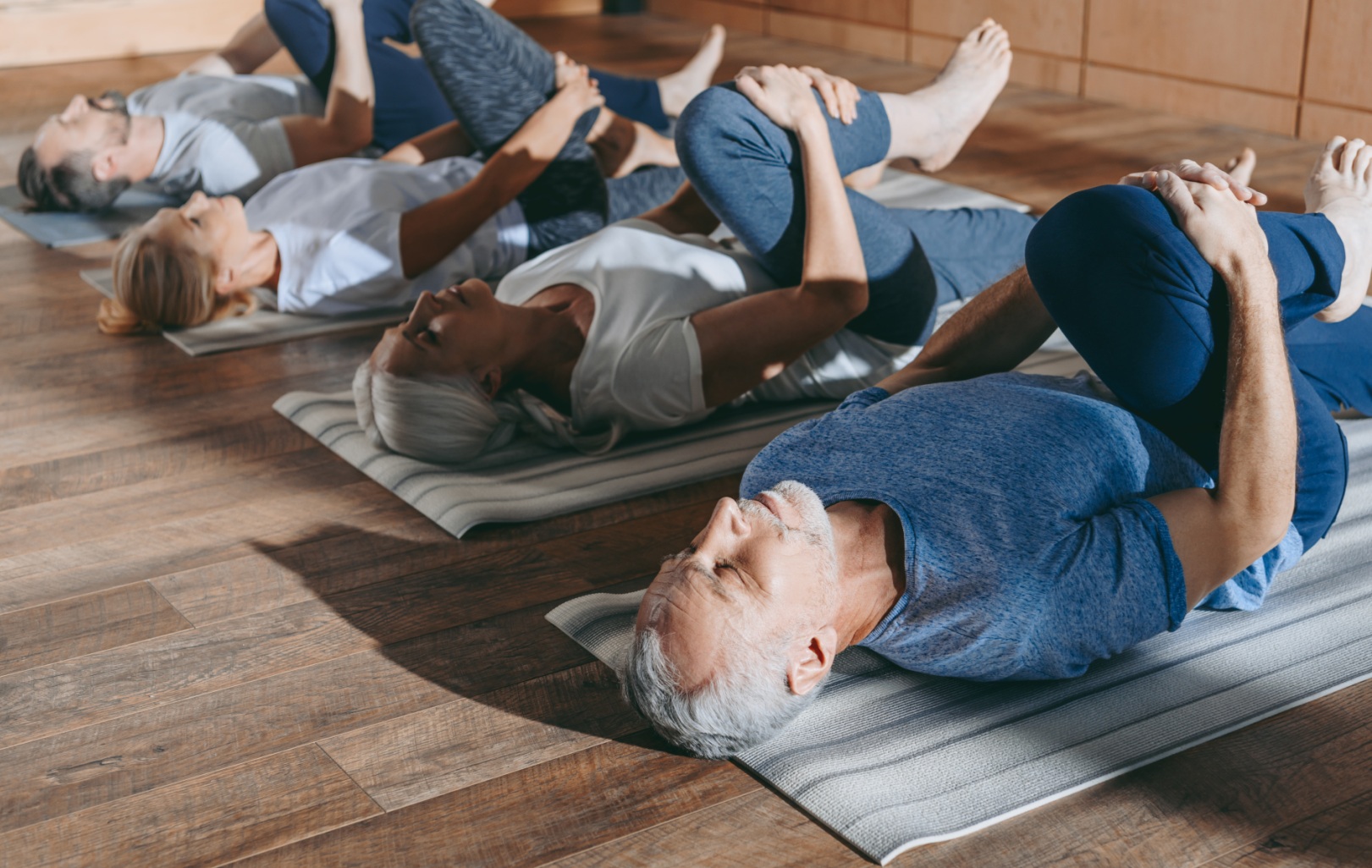
Active recovery can also be important on your days off to aid in circulation and reduce soreness. For example, movements like walking or yoga could be good choices. Sleep is also an important time for muscle repair and recovery. Women should aim for 7-9 hours of sleep per night.